Endodontic Surgery Chester, VA
In some cases, patients may have an issue with a tooth that may not be apparent at a glance or even in an X-ray. A non-surgical root canal cannot access various cases like calcium deposits or root issues. In these cases, endodontic surgery may be the ideal solution.
At Chesterfield Dentist in Chester, we provide endodontic surgery services to those in the local and surrounding area. We can help patients maintain their oral and overall health. We will guide clients through the process, answer any questions they may have, and ensure they receive the care they need.
The various applications and benefits of endodontic surgery can improve the functionality and overall health of the mouth. Call our office at (804) 412-0867 to make an appointment and learn more.
Understanding Endodontic Surgery
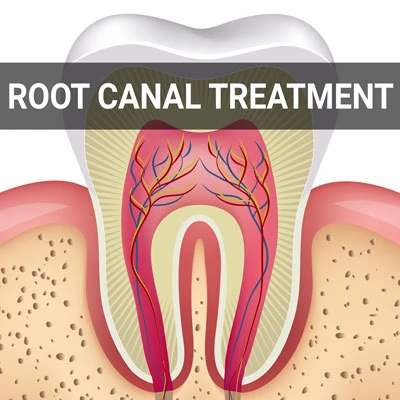
When a patient's tooth has become badly decayed or infected, they may need to undergo a root canal to salvage the tooth. According to WebMD, most root canals are successful; however, several complications may emerge that require moving onto endodontic surgery. Endodontic surgery may refer to any surgery that attempts to salvage a patient's tooth after non-surgical options have failed or are not available. This can help prevent the need for tooth extraction and replacement.
“Endodontic surgery may refer to any surgery that attempts to salvage a patient’s tooth after non-surgical options have failed or are not available.”
Common Reasons for Endodontic Surgery
There are a variety of reasons for endodontic surgery. These include:
Diagnosis
A patient can have persistent problems that are not visually identifiable nor identifiable through an X-ray. The tooth may have a hidden canal, small fracture, or another undetectable issue. In these cases, endodontic surgery may allow for the discovery and subsequent treatment of the problem.
Failed root canal
A root canal will typically last for the rest of the patient's life and not require further surgery. Unfortunately, there are rare cases where the tooth experiences issues following a root canal. When this occurs, endodontic surgery will likely be the treatment that saves the affected tooth.
Calcium deposits
A calcium deposit can cause some tooth issues. In the case of a root canal, the mass can make the canal too narrow for instruments to reach the end of the root. The patient will likely require endodontic surgery to remove the deposit, clean the affected area, and reseal the canal.
The types of endodontic surgeries that are available vary between different dental practices. Patients should contact their dentist to learn which procedures they offer.
“There are a variety of reasons for endodontic surgery.”
Preparing for Endodontic Surgery
Every endodontic surgery begins with an initial consultation with a dentist.The dentist may be able to perform a comprehensive exam to determine if a patient should consider endodontic surgery. Maintaining an open and honest dialogue with the dental professional is key to preparing for endodontic surgery. Patients should be forthcoming about any prescription medications, vitamins, over-the-counter drugs, and supplements that they are taking.
Any of these products may influence the progression of the surgery. Furthermore, the dentist may need to consult with the patient's primary care physician if the patient is undergoing treatment for other medical conditions. All of these factors are key in preparing the ideal treatment plan for each patient.
“The dentist may be able to perform a comprehensive exam to determine if a patient should consider endodontic surgery.”
Check out what others are saying about our dental services on Yelp: Endodontic Surgery in Chester, VA
What to Expect With Endodontic Surgery
Before a patient receives endodontic surgery, they will need a dental consultation. During this, the dentist will decide on a treatment plan that best fits the individual's case. The patient will likely need to adhere to some guidelines in the days leading up to the procedure, along with some information to review and a prescription.
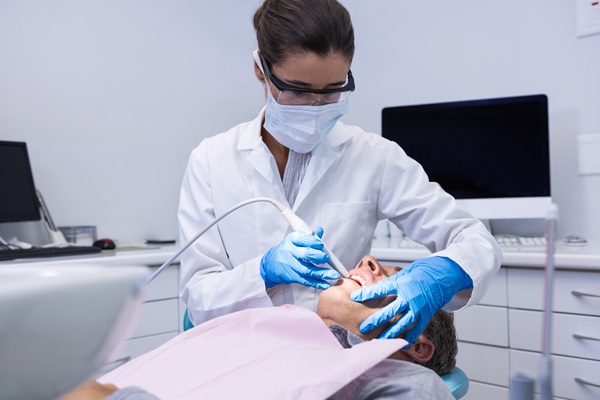
On the day of the surgery, the dentist will prepare the patient and usually administer a local anesthetic. The procedure will likely involve the dentist making an incision in the gums to remove the inflamed or infected tissue. During this time, the dentist may extract the root end. After the dentist cleans the area, they will seal the end of the root canal and suture the gums. An additional X-ray may be necessary, and an ice pack is usually applied.
Following the surgery, the staff will give the patient some post-surgery instructions. The patient may need someone they know to assist them out of the office and provide transportation home. The patient can expect some symptoms post-surgery, including some residual numbness for a few hours, followed by swelling and inflammation in the days after the surgery. The patient will likely need to come to the dental office again for a post-surgical appointment. If they have any questions or concerns, they should contact the practice.
“Before a patient receives endodontic surgery, they will typically be assessed by the dental team during a consultation.”
Questions Answered on This Page
Q. What is endodontic surgery?
Q. How can I prepare for endodontic surgery?
Q. What is it like to recover from endodontic surgery?
Q. Why might a patient receive endodontic surgery?
Q. What is involved in the process of endodontic surgery?
People Also Ask
Q. What is the difference between endodontists and dentists?
Q. What are the benefits of a root canal?
Q. Are pain and tenderness when touching the teeth or chewing a sign of a problem?
Q. What are the symptoms of a cracked tooth?
Q. What are some of the signs indicating a need for tooth extraction?
Recovering After Endodontic Surgery
Toward the end of the procedure, some patients may receive a small filling to seal the end of the root canal. They may also require some stitches or sutures to assist in tissue healing. The bone in the surrounding area of the root will continue to heal over the next few months. Most patients can return to normal activities as soon as one day after surgery, and any post-surgical discomfort tends to be mild and easily manageable.
“Most patients can return to normal activities as soon as one day after surgery, and any post-surgical discomfort tends to be mild and easily manageable.”
Frequently Asked Questions
Q. Why would I need endodontic surgery?
A. Endodontic surgery is an effective treatment option for several tooth issues. It can help with diagnoses, damage from a failed root canal, calcium deposits, small cracks, and issues with the root surface. If someone is experiencing any of these problems, endodontic surgery may be able to save their tooth.
Q. What is involved in the endodontic surgery process?
A. A patient receiving this treatment will first go through a pre-surgery consultation, where the dentist will assess their situation and give them some preparatory guidelines. On the day of the surgery, the dentist will prepare the patient and perform the procedure. After this, the staff may take some X-rays and will likely provide some post-surgery care instructions.
Q. What is a root canal?
A. A root canal is a relatively common type of endodontic procedure that removes infected or inflamed pulp within the tooth. A dentist accesses the tooth from the crown to remove the affected tissue, then cleans, shapes, and seals it. Typically, dentists will also place a crown on the tooth as a final step to the procedure.
Q. What is an apicoectomy?
A. An apicoectomy is an endodontic procedure that involves the removal of inflamed or infected tissue in the area surrounding the root. Although the process is similar to a root canal, it is different in that it deals with the area near the base of the root rather than the crown of the tooth. Additionally, an apicoectomy can help treat a failed nonsurgical root canal.
Q. How do I know if I need endodontic surgery?
A. There are various oral symptoms that may suggest a patient needs endodontic surgery. These can include sensitivity, continuous pain, pain when touched, sudden discoloration, and a bump or redness on part of the gums. These may or may not be indicators that require endodontic treatment, so it is advised that people experiencing symptoms first contact their dentist for an assessment.

Scan here to view this page, Endodontic Surgery, on mobile

Endodontic Terminology
Learn More Today
Endodontic surgery can vastly improve many patients' overall dental health. At Chesterfield Dentist, we can help figure out the best treatment plan for you. Call us today at (804) 412-0867 to schedule an appointment.
Helpful Related Links
- American Dental Association (ADA). Glossary of Dental Clinical Terms. 2026
- American Academy of Cosmetic Dentistry® (AACD). Home Page. 2026
- WebMD. WebMD’s Oral Care Guide. 2026
About our business, license, and website security
- Chesterfield Dentist was established in 2019.
- We accept the following payment methods: American Express, Cash, Check, Discover, MasterCard, and Visa
- We serve patients from the following counties: Chesterfield County, Prince George County and Henrico County
- We serve patients from the following cities: Chester, Chesterfield, Midlothian, Hopewell, Bellwood, Windsor Hills, Colonial Heights, Bensley, Bon Air, and Richmond
- VA (License #401414059). View License Information and Specifics
- National Provider Identifier Database (1821302845). View NPI Registry Information
- Healthgrades. View Background Information and Reviews
- Norton Safe Web. View Details
- Trend Micro Site Safety Center. View Details

Scan here to open directions to Chesterfield Dentist on mobile
Back to top of Endodontic Surgery
Related Posts
How A General Dentist Approached Endodontics
Endodontics serves as a vital tool for a general dentist who aims to save natural teeth and eliminate the deep-seated pain that stems from internal tooth damage. While many people think only of the outer surface of their teeth, the inner environment is a complex system of nerves, blood vessels, and soft tissues known as…
Signs That You May Benefit From Endodontic Treatment
Endodontics focuses on diagnosing and treating problems within the tooth's pulp and surrounding tissues. Endodontics can preserve its function and prevent further complications if a tooth is severely damaged or infected. Recognizing the signs that indicate the need for endodontic treatment allows patients to seek timely care and maintain their oral health.Persistent tooth pain is…

Improve Your Oral Health With Endodontics
If you have suffered from a toothache, you know the pain can be severe. In some cases, the problem is inside your tooth. Endodontics could be the answer to your situation.Brushing, flossing, and regularly visiting the dentist are vital steps to keeping your teeth healthy. Sometimes, however, your teeth need further care due to disease…

What To Expect When Getting Dentures For The First Time
If you are about to get dentures for the first time, you may have several questions and concerns about what to expect. You feel uneasy about how they will feel, how they will look, and how they will affect your everyday life. The good news is that artificial teeth have come a long way, and…
Explore additional topics covered on our website:
Call Us Today

Scan here to call Chesterfield Dentist on mobile