How a General Dentist Approached Endodontics
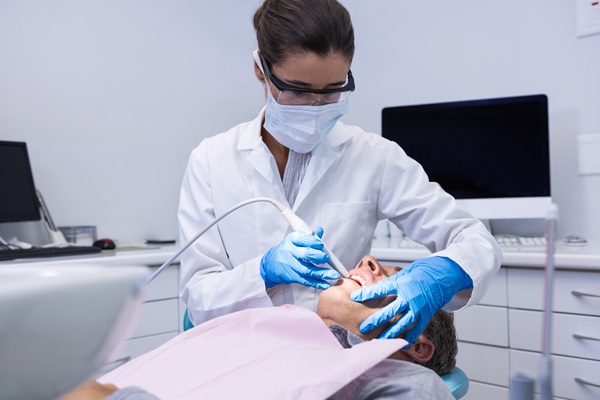
Endodontics serves as a vital tool for a general dentist who aims to save natural teeth and eliminate the deep-seated pain that stems from internal tooth damage. While many people think only of the outer surface of their teeth, the inner environment is a complex system of nerves, blood vessels, and soft tissues known as the pulp. When this internal area is affected by trauma or decay, it requires a specific set of skills to restore health without resorting to extraction.
Identifying the need for endodontics
The diagnostic phase is one of the most important aspects of how the dentist manages a case involving the inner tooth. They look for specific symptoms that suggest the pulp is no longer healthy enough to heal on its own. These signs often include:
- Sharp pain when applying pressure to a specific tooth
- Lingering sensitivity to hot or cold temperatures
- Visible swelling or tenderness in the gums near the root of the tooth
- Darkening or discoloration of the tooth structure
If these symptoms occur, the dentist utilizes digital imaging and physical tests to confirm the diagnosis. They may perform a percussion test or a thermal evaluation to determine exactly how the nerve responds to stimuli. Since every patient has a unique anatomy, this portion of the appointment lays the foundation for a successful outcome for everyone.
The modern approach to endodontics
Technology has changed the way dentists approach endodontics by making the procedures, known as root canals, faster, more precise, and significantly more comfortable. Modern rotary tools and high-definition imaging allow for the careful cleaning and shaping of the root canals with minimal impact on the surrounding structure. The dentist removes the infected pulp, disinfects the internal chambers, and fills the space with a biocompatible material called gutta-percha. This material seals the tooth from the inside out, preventing any new bacteria from finding a home in the empty canals.
Maintaining the natural tooth is almost always the preferred goal over replacing it with an artificial alternative. Therefore, while implants and bridges are excellent tools, nothing quite matches the feel and function of a natural tooth. Saving the natural structure preserves the jawbone and prevents the neighboring teeth from shifting out of their proper alignment, and is often viewed as the heart of general dentistry, as it prioritizes the most conservative and effective path to health. Every effort is made to preserve the natural smile while eliminating the source of the pain.
Restoration and long-term stability
The work does not stop after the dentist removes the infection and seals the canals. Because a tooth without its internal pulp is often more brittle, they usually recommend a final restoration to provide structural support. A crown (most common) or a filling protects the tooth from the heavy forces of chewing and helps prevent fractures during daily use. This final step is essential for the longevity of the tooth and for the overall harmony of the bite. Without this outer reinforcement, the effort put into the internal treatment remains at risk of being lost to a sudden break or crack.
Long-term success also depends on the patient's commitment to a consistent hygiene routine and regular checkups. The dentist continues to monitor the treated tooth during subsequent visits to ensure the bone around the root is healing properly. Even though the internal nerve is gone, the surrounding tissues and the gumline still require protection from plaque and bacteria. A healthy environment is the only way to ensure the restored tooth remains functional for a decade or longer.
Collaboration and specialized care
While a general dentist handles many cases in-house, there are moments when the complexity of the tooth requires a different level of attention. For example, if a patient's root canal is exceptionally curved or a recurring infection requires retreatment, they may coordinate with an endodontist for specialized care. This collaborative spirit ensures that the patient always receives the most appropriate treatment for their specific needs. The general dentist remains the primary coordinator, managing the final restoration and the ongoing health of the mouth after the specialized work is complete. This team-based approach provides a safety net that covers even the most difficult dental challenges.
Call us for more information
Our general dentist utilizes endodontics to bridge the gap between a painful dental emergency and a restored, healthy smile. This specialized care is an essential part of a comprehensive dental plan that values the preservation of the natural smile above all else. Is one of your natural teeth causing painful problems? Contact Chesterfield Dentist for more information or to schedule an appointment.
Request an appointment here: https://thechesterfielddentist.com or call Chesterfield Dentist at (804) 412-0867 for an appointment in our Chester office.
Check out what others are saying about our dental services on Yelp: Endodontics in Chester, VA.
Related Posts
Endodontics focuses on diagnosing and treating problems within the tooth's pulp and surrounding tissues. Endodontics can preserve its function and prevent further complications if a tooth is severely damaged or infected. Recognizing the signs that indicate the need for endodontic treatment allows patients to seek timely care and maintain their oral health.Persistent tooth pain is…
If you have suffered from a toothache, you know the pain can be severe. In some cases, the problem is inside your tooth. Endodontics could be the answer to your situation.Brushing, flossing, and regularly visiting the dentist are vital steps to keeping your teeth healthy. Sometimes, however, your teeth need further care due to disease…
Having missing teeth can be quite challenging for various reasons, such as proper eating and maintaining a confident smile. It can even affect speech. Thankfully, with the help of dental implants, all of these problems can be eliminated.Dental implants are small prosthetic pieces that are used to replace the base of a missing tooth. After…
Denture care is the maintenance of dentures with respect to proper denture placement and denture hygiene. Good denture care and placement involves both denture security on your part but also ensuring that dentures fit correctly in your mouth so that they don't cause any physical obstruction when it comes to eating or speaking. When removing…