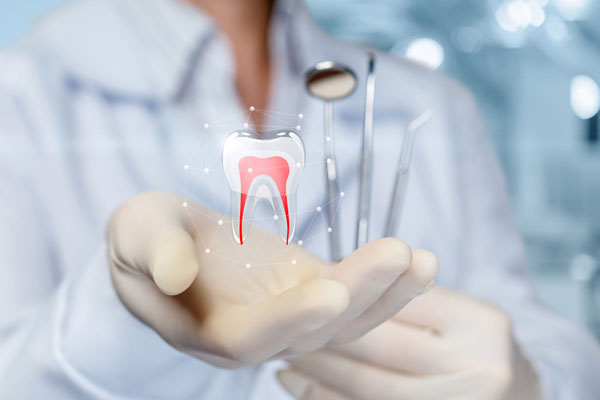
 Dental restorations offer ways to remove damaged tooth enamel, halt further decay, and restore the function of damaged or lost teeth. However, some mistaken beliefs prevent people from getting necessary care for oral health. Understand how to separate fact from fiction to make better choices for your dental care.
Common misapprehensions about dental restorations
Learn the truth behind the following four myths about these procedures.
1. Brushing and flossing will fix a cavity.
Some people erroneously believe that brushing and flossing their teeth is enough to keep them healthy. Many even think that doing so will cause cavities to disappear on their own. As a result, they put off going to see a dentist until they have a toothache, not realizing that they could have prevented the pain from occurring with a simple restoration.
The truth is that no amount of brushing and flossing can reverse cavities. The decay only becomes worse as it eventually extends into a tooth’s nerves. Regular checkups and dental restorations can help prevent toothaches.
2. Filling materials are toxic.
Another common myth is that the materials used to fill cavities are toxic. Some even claim that they are responsible for chronic conditions, including Alzheimer’s and Parkinson’s disease. Some people believe this myth has gone so far as to pay thousands of dollars to have a dentist remove their existing fillings.
According to the American Dental Association, there is no scientific evidence linking serious diseases with dental restorations in a person’s mouth. In addition, the FDA has approved various materials as safe for dentists to use, including porcelain, composite resin, amalgams, plastic, gold, and glass ionomer.
3. Only teeth with light decay are eligible for fillings.
People are sometimes so self-conscious about their smiles that they assume only major dental work can help them. In addition, they believe the myth that only lightly damaged teeth or small cavities are eligible for dental restorations and thus avoid making an appointment with a dentist.
Special dental restorations exist for teeth that are mostly still intact but lack enough enamel to hold a regular filling, known as inlays or onlays. The main difference in these fillings is that they require two dental visits rather than one to place. Other more advanced restorations are possible for other issues, including broken, infected, or lost teeth.
4. Fillings last forever.
After receiving a filling, some patients believe they do not ever need to return to the dentist. They assume a filling is something they get once and never need to think about again.
Unfortunately, fillings do not last forever. Depending on the type of material, they have average lifespans that range from five to 20 years. Therefore, it is important to keep visiting your dentist for regular checkups to monitor the integrity of your dental work and let you know if you need to replace any fillings.
Conclusion
Once you know the truth about dental restorations, it is easy to understand why your dentist recommends them. They are an effective way to restore the appearance and functionality of your teeth and prevent any further damage from occurring.
Request an appointment or call Chesterfield Dentist at 804-412-0867 for an appointment in our Chester office.
Related Posts
A damaged smile can feel overwhelming. Fortunately, there are professional treatments for broken teeth that ensure you receive the most effective solutions to restore your oral function and appearance. Whether the issue is a minor chip from a fall or a severe fracture caused by underlying decay, modern dentistry offers several approaches to address varying…
There are many options available for dental restorations, and it is important to be informed about the procedures and treatment plans involved before committing to one. Typically, a patient will have a consultation with a dental professional prior to having any work done. This type of appointment is an ideal time to ask questions and…
Dental restorations help individuals regain oral functions like chewing and achieve better smiles. Although dentists' skills and experience are necessary to achieve favorable results, material choices contribute significantly to patient satisfaction.Dentists consider the location of teeth in the mouth and patients' input when selecting materials for dental restorations.Dentists aim to restore the function and appearance…