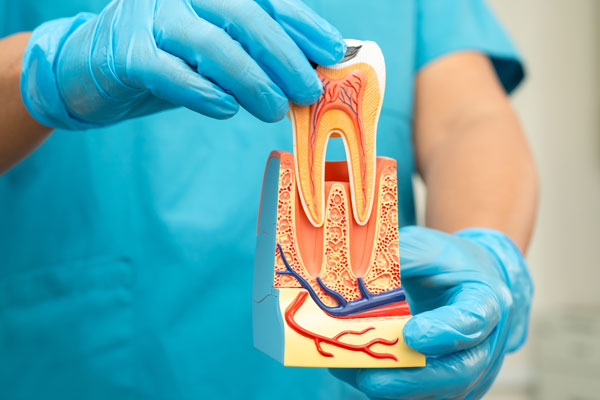
Endodontics is a branch of dentistry dedicated to saving teeth by treating problems inside the tooth. It focuses on the health of the tooth's pulp and roots, essential to your smile's overall strength and function. Endodontics could be the key to relieving discomfort and preserving your natural teeth if you are experiencing tooth pain or an infection.
Understanding endodontics
According to MouthHealthy.org, with the American Dental Association, endodontics comes from the Greek words "endo," meaning inside, and "odont, "meaning tooth. This field is all about what happens beneath the tooth's surface. The pulp, which contains nerves, blood vessels, and connective tissue, is vital when teeth develop. However, once a tooth is fully grown, it can survive without the pulp because the surrounding tissues provide the necessary support.
When the pulp becomes infected or inflamed—usually from deep decay, a crack, or trauma—it can cause intense pain and jeopardize the tooth's survival. Endodontics focuses on treating these internal issues, stopping pain, and preventing the need for tooth extraction. By addressing problems at the root, endodontics helps protect both your smile and your overall oral health.
Why endodontics is necessary
Endodontic treatment is more than just saving a tooth—it is about protecting one's oral health and well-being. Endodontics can alleviate pain, improve function, prevent further complications, and preserve the natural tooth structure by addressing the source of infection or damage. Preserving natural teeth also has long-term benefits. Natural teeth help maintain the alignment of the patient's smile, support proper chewing and speaking, and prevent bone loss in the jaw. When a tooth is lost, it can lead to shifting teeth and changes in the bite, which may require more extensive treatment.
Signs endodontics is necessary
The extent of many patients' knowledge regarding if there is a problem with a tooth is if there is discoloration or pain. Therefore, they may not know when the dentist may suggest endodontics as a solution. Nevertheless, the more common signs include persistent tooth pain, sensitivity to hot or cold, swelling around the gums, or discomfort when chewing. One might also notice a small bump on the gums near the affected tooth, which could indicate an abscess. If one experiences any of these symptoms, seeking care promptly can save the natural tooth and prevent further, often more extensive, problems.
Advances in endodontics
Thanks to modern dental technology, endodontic procedures are now more precise and comfortable than ever. Advanced imaging tools like 3D scans allow dentists to see the tooth's internal structures clearly, ensuring accurate diagnoses and treatment. High-quality materials and techniques have made procedures like root canals highly effective and long-lasting.
These advancements also mean patients can receive the necessary care without unnecessary stress or discomfort.
Common endodontic procedures
As mentioned, endodontics treats issues within the tooth's pulp and root canals to preserve natural teeth and alleviate pain. One of the most recognized procedures is root canal therapy, which involves removing infected or inflamed pulp, cleaning and shaping the root canals, and sealing them to prevent further infection. This treatment is essential for saving teeth affected by deep decay, cracks, or trauma.
In cases where a previously treated tooth develops complications, retreatment may be necessary. This involves reopening the tooth to clean the canals again and address any underlying issues. Additionally, some situations may require an apicoectomy, a minor surgical procedure that removes the tip of the tooth's root to eliminate infection and promote healing. These procedures are vital for maintaining oral health, preventing tooth loss, and protecting the surrounding bone and tissues from further damage or infection.
Preventing oral health issues
While endodontics is incredibly effective at saving teeth, prevention is always the best approach. Regular dental checkups are essential for catching issues early before they require more extensive treatment. Good oral hygiene habits that help protect the teeth from decay and infection include brushing twice a day, flossing, and limiting sugary snacks. Moreover, protecting the teeth from physical damage is crucial. Using a mouthguard during sports or avoiding chewing on hard objects like ice can prevent cracks or trauma that might lead to the need for endodontic care.
Call us for more information
Endodontics is an essential part of modern dentistry, offering a way to save teeth and relieve pain without resorting to extraction. Procedures like root canals are highly effective at addressing internal tooth problems while preserving your teeth' natural structure and function. If you are experiencing tooth pain or suspect an infection, do not wait to seek care. Contact Chesterfield Dentist for more information or to schedule an appointment.
Request an appointment here: https://thechesterfielddentist.com or call Chesterfield Dentist at (804) 412-0867 for an appointment in our Chester office.
Check out what others are saying about our dental services on Yelp: 7 Signs You Need Endodontic Surgery in Chester, VA.
Recent Posts
Dental bridges are a non-invasive restorative option for replacing missing teeth. However, they require proper care and maintenance to maintain the bridge and the surrounding teeth and gums. A general dentist can provide personalized instructions on caring for one’s bridge according to its type, location in the mouth, and other factors. However, patients can get…
There are many options available for dental restorations, and it is important to be informed about the procedures and treatment plans involved before committing to one. Typically, a patient will have a consultation with a dental professional prior to having any work done. This type of appointment is an ideal time to ask questions and…
Dental restorations help individuals regain oral functions like chewing and achieve better smiles. Although dentists' skills and experience are necessary to achieve favorable results, material choices contribute significantly to patient satisfaction.Dentists consider the location of teeth in the mouth and patients' input when selecting materials for dental restorations.Dentists aim to restore the function and appearance…
Extensive tooth loss can impact your oral health and quality of life. Fortunately, all-on-4 dental implants offer a reliable foundation for a renewed smile that supports your oral health and overall well-being. This innovative technique provides a stable, long-lasting solution for those who have lost most or all of their teeth and are looking for…