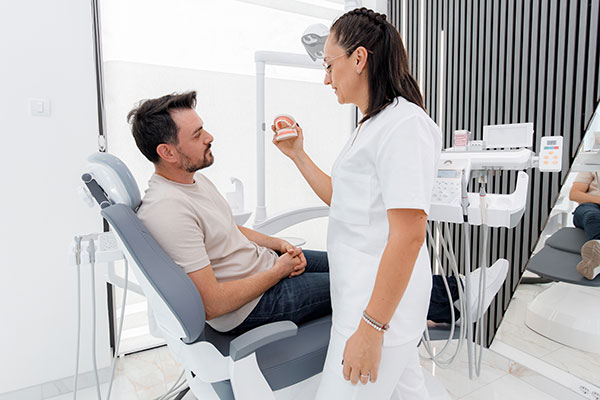
Oral surgery is an invasive procedure. A dentist will recommend this procedure if the damage is severe and correction must happen right away. This surgery may be an aggressive solution to a dental issue, but your dentist will not suggest it unless your comfort or health relies on it. If you want to know why your dentist would recommend oral surgery, here are five reasons to look into.
1. Tooth loss
Losing teeth can put more pressure on surrounding healthy teeth. This increases the risk of dental breakages and fractures. The absence of dental roots deprives the jawbone of the stimulation it needs. Because of this, the body does not send nutrients to the jawbone for repair and growth anymore. This leads to the deterioration of jawbone tissue.
The dentist can suggest oral surgery for tooth replacement. The most durable type of tooth replacement is the procedure for dental implants. This surgery will involve implanting a titanium rod into the jawbone. This rod will act as a dental root, which will stimulate the jawbone again. The body will start to send nutrients to that part of the jawbone again.
2. Problem wisdom teeth
Removing wisdom teeth can be challenging. The location of wisdom teeth is in the far back of the mouth. This is difficult to reach, especially if the wisdom tooth is impacted. An impacted wisdom tooth has not erupted or completely emerged from the gums. The developed tooth underneath the gumline can decay and cause gum disease.
An impacted wisdom tooth may be blocked from erupting. The gum may not be able to support tooth growth in that area. The dentist will perform the surgery to lower the risk of infection. The procedure aims to prevent overcrowding as well. Removing the tooth will end the pain and prevent the progress of gum disease.
Oral surgery for this type of condition will need good tissue navigation. It also needs complete knowledge of dental structures. The dental professional will give the right type of sedation to the patient, especially if the patient has dental anxiety. The goal is to remove the problem tooth with a low risk of complications.
3. Impacted canines
Impaction can also occur in other parts of the jawbone. These teeth cannot erupt into position. Oral surgery can release the canines and then guide them to their ideal places. Removing these canines will not benefit the patient’s bite. Orthodontic treatment can help in correcting the canine’s repositioning.
4. Temporomandibular joint disorders
These jaw problems cause extreme pain. It makes speaking, eating, and even yawning difficult. Oral surgery can correct the problem. It then results in relief, allowing the patient to perform oral functions again. Below are some of the procedures for correcting temporomandibular joint disorders:
- Arthroscopy involves drilling a hole into the area above the temporomandibular joint. The dentist can even drill more holes. This oral surgery can remove the scar tissue or reshape the joint. This happens with the help of minute surgical instruments, including an arthroscope.
- Arthrocentesis is an outpatient procedure. Here, the surgeon introduces fluid into the jaw joints. This flushes out anything that causes inflammation. It aims to improve the jaw’s range of motion.
- Open joint surgery is a more invasive procedure. The surgeon numbs the area first. Then, the surgeon cuts the area above the jaw joint. The surgeon will then remove unhealthy tissue or even bone spurs.
5. Tooth decay
This dental problem develops in stages. White spots form on the teeth first because of plaque buildup. It is also a result of calcium deficiency. The next stage is enamel erosion. The decay continues to develop until it shows in the form of cavities.
Extremely painful dentin decay will come next. This is when the bad bacteria enter the dentin and cause damage. Pulp decay happens next. This is another painful stage since the bacteria damages the pulp at this stage.
An abscess forms if the dentin decay does not receive treatment. This serious infection can reach the brain, jawbone, neck, and ear. Severe dental damage can result from an infection, injury, or accident. Oral surgery may come in the form of a root canal or even tooth extraction to isolate the infection.
Oral surgery can save your oral health and your general health
Dental issues can happen suddenly or over time. The results may be dental damage with severe pain and discomfort. They also cause aesthetic problems. Oral surgery can correct the situation. Working with your dentist and surgeon can make your recovery quicker.
Are you considering having oral surgery in the Chester area? Get more information at https://thechesterfielddentist.com.
Check out what others are saying about our dental services on Yelp: Oral Surgery in Chester, VA.
Recent Posts
Sleep apnea is a condition in which breathing stops and starts again while asleep and can be treated by oral surgery. It affects more than 200,000 people in the United States each year. A minor case of sleep apnea can often be treated through lifestyle changes and a dental night guard. However, oral surgery for…
Dental bridges are a non-invasive restorative option for replacing missing teeth. However, they require proper care and maintenance to maintain the bridge and the surrounding teeth and gums. A general dentist can provide personalized instructions on caring for one’s bridge according to its type, location in the mouth, and other factors. However, patients can get…
There are many options available for dental restorations, and it is important to be informed about the procedures and treatment plans involved before committing to one. Typically, a patient will have a consultation with a dental professional prior to having any work done. This type of appointment is an ideal time to ask questions and…
Dental restorations help individuals regain oral functions like chewing and achieve better smiles. Although dentists' skills and experience are necessary to achieve favorable results, material choices contribute significantly to patient satisfaction.Dentists consider the location of teeth in the mouth and patients' input when selecting materials for dental restorations.Dentists aim to restore the function and appearance…